Current position > Product detail
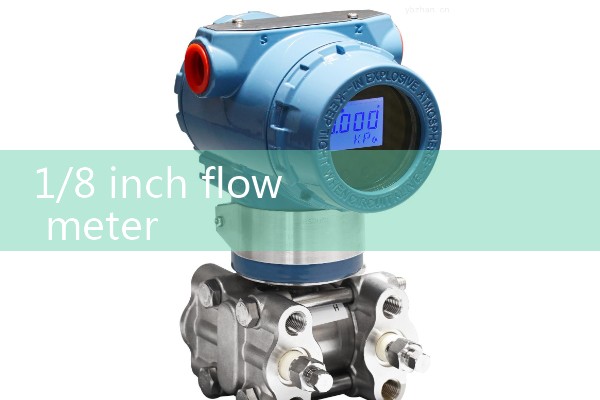
1/8 inch flow meter
『1/8 inch flow meter』Related information(flow rotameter|digital flow meter|balo meter|hydraulic flow meter|volumetric meter|positive displacement meter|pitot tube flow meter|displacement meter|cfm meter|variable area flow meter|inline flow meter|differential pressure flow meter|calibrated flow meter|velocity meter|paddle wheel flow meter|oval gear flow meter|anemometer hvac|multiphase flow meter|doppler flow meter|thorpe tube flowmeter|heat flow meter)
 **Understanding the 1/8 Inch Flow Meter: Precision in a Compact Package**
Flow meters are essential devices in countless industrial, commercial, and laboratory applications, providing critical data on the rate of liquid or gas movement through a system. Among the many sizes and types available, the 1/8 inch flow meter stands out as a particularly compact and precise instrument. Despite its small size, it plays a vital role in applications where space is limited, accuracy is paramount, and flow rates are relatively low.
A 1/8 inch flow meter refers to the nominal diameter of the pipe or fitting it connects to—typically 1/8 inch (approximately 3.175 millimeters) in internal diameter. This small size makes it ideal for low-flow scenarios, often handling flow rates ranging from a few milliliters per minute to several liters per minute, depending on the fluid and the specific meter design. Common types include rotameters (variable area meters), turbine flow meters, and thermal mass flow meters, each suited to different fluids and precision requirements.
One of the primary advantages of the 1/8 inch flow meter is its ability to fit into tight spaces. In industries such as pharmaceuticals, chemical processing, and water treatment, equipment layouts often demand miniaturization. A 1/8 inch meter can be installed in cramped manifolds, analytical instruments, or pilot plants without requiring extensive piping modifications. Its small footprint also reduces material costs and simplifies maintenance.
Precision is another key feature. Even at low flow rates, these meters are engineered to deliver accurate readings. For example, in laboratory settings where reagents must be dispensed with exacting tolerances, a 1/8 inch flow meter
 ensures consistency. Similarly, in medical devices such as ventilators or diagnostic equipment, accurate flow measurement can be a matter of patient safety.
However, working with such a small flow meter does present challenges. The narrow bore makes it more susceptible to clogging from particulate matter, so clean fluids or inline filtration are often necessary. Additionally, the pressure drop across a 1/8 inch meter can be significant, which must be accounted for in system design. Calibration is also critical; because the meter operates near the lower limits of flow measurement, any deviation can have a pronounced effect on accuracy.
Materials of construction vary widely. For corrosive chemicals, 316 stainless steel or PTFE-lined bodies are common. For food-grade applications, FDA-compliant plastics or polished stainless steel are used. The choice of material directly impacts the meters longevity and compatibility with the fluid.
Installation considerations include proper orientation (usually vertical for rotameters), adequate straight pipe runs upstream and downstream (especially for turbine meters), and avoidance of vibrations or temperature extremes. Electronic versions may offer digital displays, output signals (4-20 mA, pulse, or Modbus), and data logging capabilities, making them suitable for integration into automated control systems.
In summary, the 1/8 inch flow meter is a specialized but indispensable tool. Its compact size, precision, and versatility make it a preferred choice in low-flow applications across many fields. Whether monitoring coolant flow in a laser system, dosing chemicals in a water treatment plant, or managing gas flow in a fuel cell, this small device delivers reliable performance. Unde
『SILVER Official Website SERVICE』
User:adminLast Time:07/22/2026