

『Best Insertion Turbine Flow Meter for Large Pipeline: Sourcing Hot Tap Adjustable Probes』Related information(flow rotameter|digital flow meter|balo meter|hydraulic flow meter|volumetric meter|positive displacement meter|pitot tube flow meter|displacement meter|cfm meter|variable area flow meter|inline flow meter|differential pressure flow meter|calibrated flow meter|velocity meter|paddle wheel flow meter|oval gear flow meter|anemometer hvac|multiphase flow meter|doppler flow meter|thorpe tube flowmeter|heat flow meter)
Best Insertion Turbine Flow Meter for Large Pipeline: Sourcing Hot Tap Adjustable Probes
Quick Answer: For large pipelines above DN400, a hot tap adjustable insertion turbine flow meter is often the lowest cost option that still gives reliable total flow data. Choose a probe with 316L wetted parts, tungsten carbide bearings, a hot tap valve assembly, and 4-20 mA HART output. Send your pipe size, pressure, temperature, and flow range to Silver Instruments for a firm quote.
Large pipe flow measurement breaks budgets fast. Here is the thing. A full bore electromagnetic or Coriolis meter on a DN900 line can cost more than the whole skid. Most engineers skip that option and look for an insertion style device. An insertion turbine flow meter with a hot tap adjustable probe solves the cost problem and avoids a shutdown.
Sourcing hot tap adjustable probes does not need to be complicated when you know the pipe conditions and output target. The meter body stays small. The probe reaches into the flow. On DN500, DN800, DN1200, or larger pipes, this design keeps hardware weight and cost down.
Silver Instruments supplies hot tap adjustable insertion turbine flow meters for pipe sizes from DN150 to DN2000. We build each probe with adjustable insertion depth and a valve assembly matched to your pressure rating.
What Makes an Insertion Turbine Flow Meter Suitable for Large Lines
An insertion turbine flow meter measures local velocity at one point in the pipe. It uses that velocity to calculate flow rate based on pipe inside diameter. We have supplied these meters for raw water, cooling water, wastewater effluent, natural gas, and light fuel oil lines. The typical accuracy is plus or minus 1.5 percent of reading for insertion turbine designs. Repeatability is around plus or minus 0.5 percent. That is enough for many process balance and utility monitoring jobs.
Large line meters need a defined velocity profile. In practice, you need about 15D of straight run upstream and 5D downstream. If the pipe has a pump outlet or a valve directly upstream, the reading can drift. Most engineers skip this part during design and pay for it later.
Hot Tap Adjustable Probes Without a Shutdown
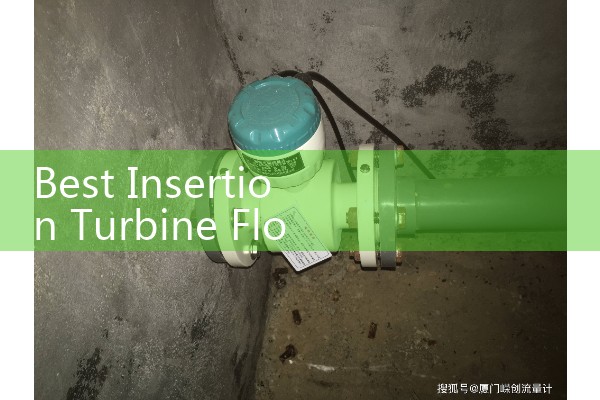
A hot tap probe lets you install the meter while the pipe stays in service. The site team welds a 2 inch or 3 inch full bore ball valve onto the pipe or uses an existing threaded saddle. They drill through the open valve, retract the drill, and insert the probe. The probe depth is adjustable. You set the sensor tip at the correct insertion depth for average velocity.
For most large pipes, we set the insertion depth at 12.5 percent of pipe inside diameter from the internal wall. On a DN600 steel main, the probe tip sits about 75 mm inside the pipe. On a DN1000 line, the depth is about 125 mm. The adjustable stem has a locking collar or compression fitting. That holds the probe position under pressure.
We have seen many hot tap installations on customer sites across Southeast Asia and the Middle East. A water contractor in Vietnam installed a DN900 raw water meter through a 2 inch ball valve without stopping the line. The full job took under four hours. The meter output went to a PLC via 4-20 mA HART.
Key Specifications to Look For
When you source an insertion turbine flow meter for a large pipeline, check these points before you ask for price.
Wetted materials should match the fluid. 316L stainless steel works for most water and light oil lines. Tungsten carbide bearings extend rotor life. For demineralized water or corrosive fluids, check PVDF rotor options. For high temperature service above 80 °C, specify PTFE insulated cable and high temperature pickoff coils.
Pressure and temperature ratings matter. Many hot tap probes are rated for 10 bar or 16 bar at ambient temperature. Some designs go to 40 bar. The limiter is usually the hot tap insertion mechanism and the shaft seal. State your maximum line pressure and fluid temperature up front.
Velocity range is typically 0.3 to 10 m/s for liquid and 0.5 to 30 m/s for gas. For gas lines above 4 bar, a PT100 temperature element helps correct flow at varying gas temperature. Output options should match your control system. The standard is 4-20 mA with HART protocol. Pulse output is useful fo
Where These Meters Work Best
Insertion turbine flow meters are not a fit for every process. They work well on clean and lightly contaminated fluids. Good applications include raw water intake, cooling water return, chilled water, hot water, groundwater extraction, and large compressed air lines. They also handle natural gas distribution headers at moderate pressure.
They do not fit heavy slurries, high viscosity fluids above about 10 cP, or liquids with long stringy solids. Debris can wrap around the rotor. A magnetic flow meter or ultrasonic flow meter is often better for those services. Silver Instruments supplies both options if the application demands a different technology.
One chemical plant in Indonesia used a hot tap adjustable insertion turbine flow meter on a DN700 cooling water line. The pipe material was HDPE. The installer used an electrofusion saddle with a 2 inch valve. The probe inserted to 87 mm depth. The meter has run for two years with no bearing failure.
Installation and Maintenance Notes
Hot tap installation requires a qualified crew. Do not let unqualified labor drill a pressurized line. The valve must be full bore. The drill must be long enough to pass through the valve and pipe wall. Use a hot tap machine for pressures above 4 bar.
After installation, compare the meter reading with a portable ultrasonic flow meter or a pump curve. This one time field check catches depth errors and profile issues. If the reading is high, the probe tip may be too deep. If the reading is low, the tip may be not deep enough.
Bearing wear is the main maintenance item. In dirty water, rotor bearings need inspection every 12 to 18 months. The hot tap design allows retraction under pressure for cleaning. You close the valve, retract the probe, and service the rotor. That is the main reason many plant engineers choose a hot tap adjustable probe instead of a spool piece meter.
How to Request a Quote from Silver Instruments
We do not quote an insertion turbine flow meter without application data. Tell us your pipe size in DN, pipe material, fluid type, pressure in bar, temperature in °C, and flow range in m³/h or kg/h. Also state if you need hot tap installation or a standard threaded or flanged insertion.
Send the same details plus output requirement and hazardous area zone to our sales team. We reply with a technical selection and a commercial quote within one working day.
Silver Automation Instruments
Tel: +86-135-1213-1526
WhatsApp: 86-135-12131526
WeChat: +86 13512131526
Website: flow-meter.com.au
FAQ
How deep should an insertion turbine flow meter be installed in a large pipe?
Set the probe tip at about 12.5 percent of pipe inside diameter from the internal wall. For a DN800 pipe, set the tip about 100 mm inside the pipe. This gives average velocity in a fully developed turbulent flow profile.
Can a hot tap insertion turbine flow meter be installed without stopping flow?
Yes. You weld a full bore valve to the pipe or use an existing saddle. Drill under pressure, retract the drill, and insert the probe. The line stays in service.
What is the maximum pressure for hot tap installation?
Typical hot tap adjustable probes handle 10 bar to 16 bar. Some versions go to 40 bar. Confirm your maximum line pressure before you buy. The valve and seal are the limiting parts.
Is an insertion turbine flow meter accurate enough for billing?
This depends on local regulations. Accuracy of plus or minus 1.5 percent of reading is common. Many plants use insertion turbine meters for internal accounting and process balance, not legal custody transfer. For legal billing, a full bore mag meter or Coriolis meter may be required.
What fluids do not suit an insertion turbine flow meter?
Avoid heavy slurries, long stringy solids, and high viscosity fluids above about 10 cP. Debris can damage the rotor. Use an electromagnetic or ultrasonic flow meter for those applications.
 Hot News
 Related AD