

『Asphalt Flow Meter 1/2 Inch: Precise Controls for Polymer Injection Points』Related information(flow rotameter|digital flow meter|balo meter|hydraulic flow meter|volumetric meter|positive displacement meter|pitot tube flow meter|displacement meter|cfm meter|variable area flow meter|inline flow meter|differential pressure flow meter|calibrated flow meter|velocity meter|paddle wheel flow meter|oval gear flow meter|anemometer hvac|multiphase flow meter|doppler flow meter|thorpe tube flowmeter|heat flow meter)
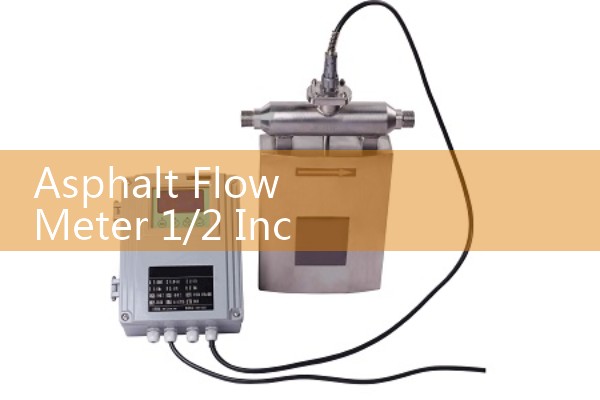
Asphalt Flow Meter 1/2 Inch: Precise Controls for Polymer Injection Points
Quick Answer: A 1/2 inch positive displacement oval gear meter from Silver Instruments handles hot polymer melt with viscosities up to 200,000 cP. It feeds a direct 4-20 mA HART signal to your PLC for closed-loop control of SBS or EVA injection. Most customers in Thailand and Vietnam replace timer-based dosing with this meter and cut polymer waste by 10 to 15 percent within the first month.
In a polymer-modified bitumen plant, the injection point is a small 1/2 inch pipe carrying molten SBS, EVA, or polyolefin at 180 °C to 220 °C. The operator needs to pump exactly 12.5 kg/h of SBS into a 20 ton batch of hot bitumen. Too little polymer and the asphalt will rut under truck loads. Too much and the cost per ton jumps, erasing the project margin. For years plants relied on a positive displacement pump running at a fixed stroke. They had no feedback on actual mass or volumetric flow. When the polymer viscosity drifted because of a temperature swing of only 5 °C, the true injection rate would shift silently. Field engineers would notice the problem only after lab tests on the final binder.
Why a 1/2 Inch Oval Gear Meter Wins Over Other Technologies
Coriolis meters are accurate but a 1/2 inch Coriolis for 200 °C and 40 bar costs more than the whole dosing skid in many projects. Electromagnetic meters need a conductive fluid. Polymer melt is an insulator, so magmeters produce no signal. Thermal mass meters do not like high-viscosity liquids and they foul quickly. Here is the thing: an oval gear meter works with almost no conductivity requirement. It traps a known volume of fluid and moves it with the pressure from the injection pump. The output shaft turns exactly once for a fixed volume. This gives a volumetric flow rate you can trust, even when the polymer is sticky and slow to move.
Inside the Silver Instruments 1/2 Inch Meter for Asphalt Polymer
Silver Automation Instruments builds the 1/2 inch body from 316L stainless steel. The oval gears are PPS or PEEK, chosen after we receive your polymer composition and temperature profile. Bearings are tungsten carbide. Standard process connections are 1/2 inch BSP female threads. NPT threads are available for customers in Latin America and the Middle East. The meter has an integral PT100 sensor. The transmitter reads temperature at the gear chamber and outputs a 4-20 mA HART signal proportional to flow rate. You can also read the temperature via HART. The electronics are housed in a cast aluminium enclosure rated IP66 and certified for ATEX Zone 1, Ex ia IIC T4. For markets without ATEX requirements we offer a non-certified version with the same digital output.
The flow range for the 1/2 inch model is 0.2 L/h to 50 L/h under typical polymer injection pressures of 20 bar to 40 bar. Many operators push SBS at around 15 L/h. At that point the meter accuracy is within plus or minus 0.5 percent of reading. Repeatability is plus or minus 0.03 percent. These numbers come from calibration reports we include with every meter. They are not brochure specs. They are the actual numbers on the certificate.
A Typical Site: Polymer Injection at a Vietnamese Binder Plant
Last year a customer in Vietnam asked us for a solution. They produce 120,000 tons of PMB per year. Their polymer dosing skid used a timer-operated gear pump without flow feedback. Every month they wasted about 800 kg of SBS pellets because overdosing crept up over time. We installed two units of our 1/2 inch oval gear meter model OG-SS-1/2-T with PPS gears and HART output. The plant integrated the 4-20 mA signal into their Siemens PLC. Within three days the operator set up a PID loop: the PLC compared actual flow from the Silver Instruments meter to the setpoint based on the batch weight of bitumen. The pump speed adjusted automatically. After four weeks the plant measured polymer consumption against bitumen input. Over
Installation Points That Avoid Early Failures
Because polymer melt freezes below 140 °C, the meter body needs a heating jacket. We offer an integrated steam or hot oil jacket engineered to the meter body flange. Do not use electrical trace heating directly on the transmitter housing. Keep the ambient temperature around the electronics below 60 °C. The meter must be installed with a bypass line. When you shut down the injection pump for more than 10 minutes, divert the flow or flush the meter with a hot flushing oil. Trapped polymer that cools inside the metering chamber can crack the PPS gears on restart. A strainer with a 200 micron mesh installed upstream catches agglomerates of undispersed polymer. Even a small lump of hard SBS can stall the oval gears. These three steps: jacketed body, bypass for flushing, and a fine strainer, turn a high-maintenance application into a fit-and-forget loop. We have seen this on customer sites many times.
How to Get a Quote With the Correct Material Pairing
Polymer suppliers rarely provide a single viscosity number. The viscosity of SBS melt changes with molecular weight and shear rate. That is why we ask for real operating data. Send us your polymer type including the grade, your normal and maximum melt temperature in degrees C, the pressure at the injection nozzle in bar, and your required flow range in kg/h or L/h. Mention the pipe size and thread standard: 1/2 inch BSP or NPT. Also tell us if the area is classified Zone 1 or Zone 2. Our application engineers select the right gear material, bearing grade, and seal elastomer within one working day. Do not send a request with only the tag number. Give us the process data and we will provide a fixed-price quote with lead time and a dimensional drawing. Reach the team directly at the contact form on flow-meter.com.au or call our offices in Australia for projects in Oceania and Southeast Asia.
FAQ
What if the polymer has a high filler content like calcium carbonate?
Abrasive fillers in polymer can wear PPS gears over time. In that case we switch the gear material from PPS to 17-4 PH stainless steel with a hardened surface. The flow range and accuracy do not change. We just need to know the filler type and percentage in advance.
Can I replace an existing oval gear meter from another brand without changing the piping?
Yes. Our 1/2 inch body has a face-to-face length of 80 mm. Many Japanese and European brands use a similar dimension. If your existing meter has a different length we can supply a set of adapters. Tell us the current meter model during your enquiry.
Does the meter come with a local display?
The standard configuration includes a backlit LCD showing flow rate, total, and temperature. The display rotates in 90-degree steps. You can also order the meter without a display and read all values via HART. This is common when the meter sits inside a hot jacket enclosure.
What certificate package do you provide?
Each meter ships with a five-point calibration certificate traceable to NIST standards, a hydrostatic test report at 1.5 times the design pressure, and a material certificate for wetted parts. ATEX-certified units include the EC-Type Examination certificate. We can add a Helium leak test report for critical installations.
Is there a risk of thermal expansion jamming the oval gears?
No. The PPS gears and stainless steel chamber have a controlled clearance designed for 220 °C operation. We test every assembled meter at your specified maximum temperature before shipment. The test report includes the maximum torque required to start rotation at that temperature.
 Hot Product
 Related AD