

『Soybean Oil Flow Meter DN25: Sanitary Maintenance in Commercial Extraction Plants』Related information(flow rotameter|digital flow meter|balo meter|hydraulic flow meter|volumetric meter|positive displacement meter|pitot tube flow meter|displacement meter|cfm meter|variable area flow meter|inline flow meter|differential pressure flow meter|calibrated flow meter|velocity meter|paddle wheel flow meter|oval gear flow meter|anemometer hvac|multiphase flow meter|doppler flow meter|thorpe tube flowmeter|heat flow meter)
Soybean Oil Flow Meter DN25: Sanitary Maintenance in Commercial Extraction Plants
Quick Answer
For soybean oil extraction plants that need a DN25 flow meter with sanitary connections, oval gear meters and Coriolis mass meters are the two most common choices. Oval gear meters handle viscosity changes well and cost less upfront. Coriolis meters deliver mass flow directly, need zero straight pipe runs, and are easier to clean in place. Most commercial extraction plants in Asia Pacific and Africa now prefer Coriolis meters for full CIP compatibility and negligible maintenance downtime.
Why Sanitary Flow Meter Maintenance Drives Plant Profitability
In a commercial soybean oil extraction plant, flow meter downtime means lost production. A single DN25 line feeding crude oil into a refining centrifuge can carry 500 to 3200 kg/h. If that meter is pulled out for manual cleaning, the whole batch stops. Sanitary design and quick maintenance access keep OEE numbers above 90 percent.
We have seen a processor in Thailand lose 4 hours per cleaning cycle because their old turbine meter required disassembling flanges and soaking parts. After switching to a full bore Coriolis meter with tri clamp connections, drain and flush took 15 minutes. That experience shapes our recommendations for DN25 edible oil applications today.
DN25 Meter Selection for Soybean Oil: Oval Gear vs Coriolis
Soybean oil at 40 to 80 degrees Celsius has a viscosity range of roughly 8 to 35 cP. This fluid is forgiving, but it can leave sticky residue on internal parts during shutdowns. Oval gear meters are positive displacement devices. They give high accuracy, typically plus minus 0.5 percent of rate, and need no straight upstream pipe. The downside is that the gears trap product and require removing the meter from the line for deep cleaning. In a plant running 24 hour shifts, that adds labor hours every week.
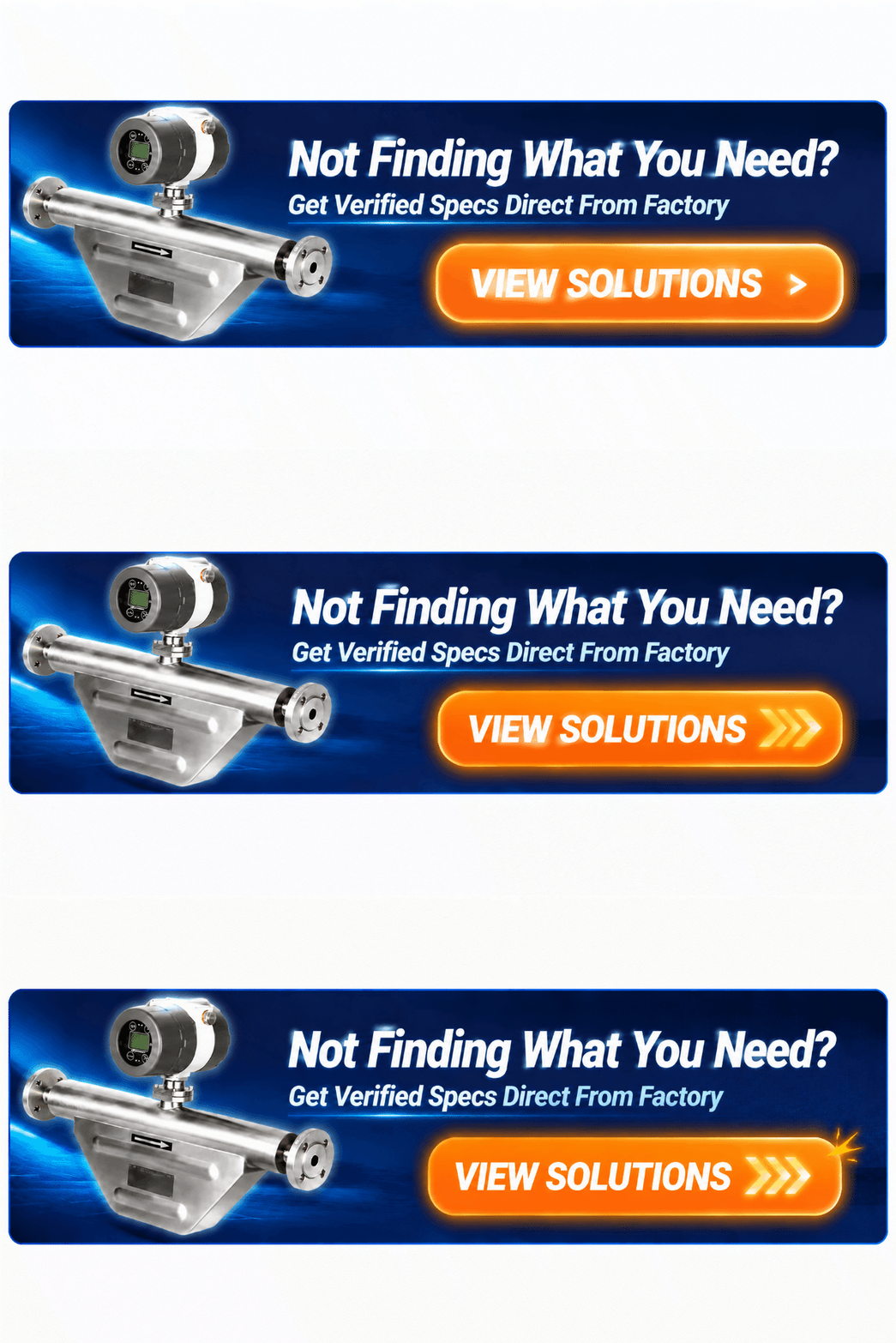
Coriolis flow meters like Silver Instruments SIL CMF series use straight twin tubes or slightly curved tubes. With a single tube design in DN25 size, there are no crevices where oil can polymerize. Flushing with hot water at 85 degrees Celsius through a CIP system can clean the meter without uninstallation. Coriolis meters also report temperature and density in real time. A plant supervisor can spot solvent carryover from the extraction stage just by watching the density trend on the control panel. That kind of process insight matters when you sell to edible oil refiners who need batch traceability.
Construction Details That Reduce CIP Downtime
When we ship a DN25 sanitary flow meter to a commercial extraction plant, the wetted material is always 316L stainless steel with Ra less than 0.8 micrometer surface finish. Tri clamp connections to ISO 2852 or DIN 32676 are standard. The electronics housing should be rated IP67 at minimum. In solvent extraction halls, ATEX Zone 1 or Class I Division 1 certification is often mandatory because hexane vapour can be present. Our SIL CMF-DN25 Coriolis meter carries ATEX II 2G Ex ia IIC T6 certification and arrives with a factory calibration certificate for soybean oil at 60 degrees Celsius.
Most engineers skip this part, but it matters: the meter body angle relative to the drain valve determines how fast liquid empties during CIP. We recommend mounting the DN25 Coriolis meter with a two percent incline toward the drain port. That small tweak cuts draining time by almost 40 percent, based on field data from a Malaysian biodiesel plant using refined soybean oil as f
Installation and Maintenance Workflow on a DN25 Line
In practice, you mount the DN25 meter downstream of the polishing filter and upstream of the heat exchanger, after the extraction step. The meter needs no straight pipe runs, so you can fit it into tight skid layouts. Vibration from nearby gear pumps is the main enemy. If pipe vibration exceeds 1 g, use flexible hose connections before and after the meter. A simple metal bracket fixed to a concrete floor pad reduces noise on the mass flow signal by half.
Because the Coriolis meter has no moving parts, the maintenance routine is limited to verifying the zero point once a month. You close a block valve downstream, fill the tube with clean oil or water at process temperature, and press the auto zero button on the local display or via Modbus RTU. The whole check takes under 2 minutes. Compare that to pulling an oval gear meter, cleaning rotors and replacing O rings which burns half a shift.
Specific Field Data from Commercial Extraction Plants
Last year a customer in Paraguay asked us for a DN25 oval gear meter for crude soybean oil at 55 degrees Celsius, 10 bar pressure, 1200 litres per hour. They wanted a pulse output for a batching controller. We supplied a SIL OGM025 with hard anodized aluminium rotors and PTFE seals. That meter has been running without service for 14 months. They send us a WhatsApp message saying the meter still holds accuracy within 0.3 percent. Good result. But the same plant could not use that meter for a mixed oil and solvent stream because residual hexane attacks the aluminium rotors over time. That is where a full stainless Coriolis meter with no polymer seals becomes the only viable option.
FAQ
Which flow meter type has the lowest total cost of ownership for soybean oil DN25?
For plants that run CIP daily, a Coriolis meter has the lowest TCO. The initial purchase price is higher than oval gear, but you save on maintenance labour and avoid production stops. Over five years, many plants recover the difference within 16 months.
Can a DN25 Coriolis meter handle crude soybean oil with phospholipids?
Yes. The 316L stainless steel tube inside is non reactive and smooth. Phospholipids and gums do not plug the meter. You must flush the meter with hot water or weak caustic after a batch to prevent buildup. We have seen no cases of tube clogging on SIL CMF DN25 units installed on degummed and crude soybean oil lines.
Do I need M12 or hardwired connection for a sanitary DN25 meter?
Most food oil plants prefer M12 quick disconnects for easy sensor replacement. Our Coriolis meters offer both M12 and PG13 gland options. The M12 version saves 10 to 15 minutes when swapping a transmitter.
What output signals work best for extraction plant PLCs?
4 to 20 mA HART is the standard choice. It allows you to carry mass flow, temperature and density on a single pair of wires. Modbus RTU over RS485 is common if you need to poll the meter from a SCADA host. All Silver Instruments sanitary meters support both HART and Modbus without extra hardware.
How do I get a price and delivery time for a DN25 soybean oil flow meter?
Send us your oil temperature in degrees Celsius, operating pressure in bar, pipe size (DN), flow range in kg/h or L/min, and cleaning method (COP, CIP or manual). We quote within one working day and typically ship DN25 sanitary meters within 7 days from stock in Singapore or direct from the factory.
 Hot Product
 Related AD